




























Self-compassion isn’t about lowering your standards or making excuses. It’s about treating yourself with the same kindness, understanding, and patience that you would offer someone you love.
Many women find it easy to support friends, family, and colleagues through difficult moments, yet become their own harshest critic after making a mistake or falling short of their expectations.
Learning to practice self-compassion can improve emotional wellbeing, reduce stress, strengthen resilience, and help you navigate life’s challenges with greater confidence. Research has shown that people who practice self-compassion often experience lower levels of anxiety, depression, and burnout while developing healthier relationships with themselves.
If you’re wondering how to practice self-compassion, this simple exercise can help you reconnect with your values and create meaningful change.
What Is Self-Compassion?
Psychologist Dr. Kristin Neff, one of the world’s leading researchers on self-compassion, describes it as responding to ourselves with kindness rather than criticism during moments of struggle.
Self-compassion is built on three core principles:
1. Self-Kindness
Instead of judging yourself when things don’t go to plan, choose kindness.
Everyone makes mistakes. Everyone experiences setbacks. Speaking to yourself with encouragement rather than criticism creates a healthier foundation for growth.
2. Common Humanity
It’s easy to believe you’re the only person struggling.
The truth is that challenges, disappointment, and uncertainty are part of being human. Recognizing that you’re not alone can reduce feelings of isolation and self-blame.
3. Mindfulness
Mindfulness means acknowledging difficult emotions without ignoring, exaggerating, or becoming overwhelmed by them.
Rather than suppressing uncomfortable feelings, mindfulness encourages you to observe them with curiosity and compassion.
Together, these three practices create a powerful foundation for emotional resilience and long-term wellbeing.
Why Self-Compassion Matters
Many women spend years striving to achieve more, care for others, and meet impossible expectations.
Eventually, constant self-criticism can lead to:
- Increased stress and anxiety
- Burnout and emotional exhaustion
- Lower self-confidence
- Perfectionism
- Difficulty making decisions
- Feeling like you’re never “good enough”
Self-compassion interrupts that cycle.
Instead of motivating yourself through criticism, you begin creating lasting change through encouragement, self-awareness, and acceptance.
Ironically, research suggests that self-compassion often increases motivation because it removes the fear of failure that keeps many women stuck.
A Self-Compassion Exercise: Meet Your Future Self
One of the most powerful ways to practice self-compassion is by reconnecting with the woman you want to become.
This simple journaling exercise encourages reflection while helping you identify the values that truly matter.
What You’ll Need
- A notebook or journal
- A pen
- Around 20–30 minutes of uninterrupted time
- A quiet, comfortable space
Step 1: Imagine Your Life Five Years From Now
Picture yourself five years into the future.
Imagine you’re living a life that feels deeply aligned with your values rather than your obligations.
Ask yourself:
- Where are you living?
- How do you feel each morning?
- What work are you doing?
- Who surrounds you?
- What does your health look like?
- How do you spend your free time?
Don’t worry about money, timelines, or practicality.
Simply imagine the life that feels authentic to you.
Step 2: Write a Letter From Your Future Self
Write a letter as though you’re already living that life.
Address it to someone important to you, whether they’re a family member, friend, mentor, or someone you’ve lost.
Describe your life in as much detail as possible.
Focus on how you feel, what you’ve learned, and what matters most.
Allow yourself to write freely without editing or judging your thoughts.
Step 3: Identify Your Core Values
When you’ve finished writing, read your letter carefully.
Notice any recurring themes.
Ask yourself:
What values appear throughout my future life?
Examples might include:
- Connection
- Courage
- Adventure
- Health
- Creativity
- Freedom
- Kindness
- Balance
- Family
- Purpose
Choose the three values that stand out most clearly.
These values often become an excellent guide for future decisions.
Step 4: Measure Where You Are Today
On a scale from 1 to 100, ask yourself:
How closely does my current life reflect the one I just described?
Don’t judge the number.
Simply notice where you are today.
Awareness is always the first step toward change.
Step 5: Choose One Small Action
Finally, ask yourself:
What is one small action I can take within the next 48 hours that moves me closer to that future?
Keep it simple and achievable.
Examples might include:
- Book a yoga class.
- Spend an hour in nature.
- Start journaling.
- Set healthier work boundaries.
- Call someone who inspires you.
- Schedule a massage.
- Take yourself on a solo coffee date.
Small actions often create the biggest transformations over time.
Why This Exercise Works
Many people approach personal growth by focusing on everything they need to fix.
This exercise takes a different approach.
Instead of asking, “What’s wrong with me?”
It asks:
“Who do I want to become?”
That subtle shift changes everything.
Rather than chasing perfection, you begin making decisions that align with your values, your wellbeing, and the life you genuinely want to create.
Over time, those small decisions build confidence, clarity, and self-trust.
Sometimes Self-Compassion Requires Stepping Away
While daily practices like journaling, mindfulness, and gratitude are powerful, sometimes the greatest breakthrough comes from changing your environment altogether.
When everyday life is filled with work, responsibilities, constant notifications, and endless to-do lists, it can be difficult to hear your own thoughts.
That’s why many women choose to step away on a wellness retreat.
Time away creates space to reconnect with yourself without distraction.
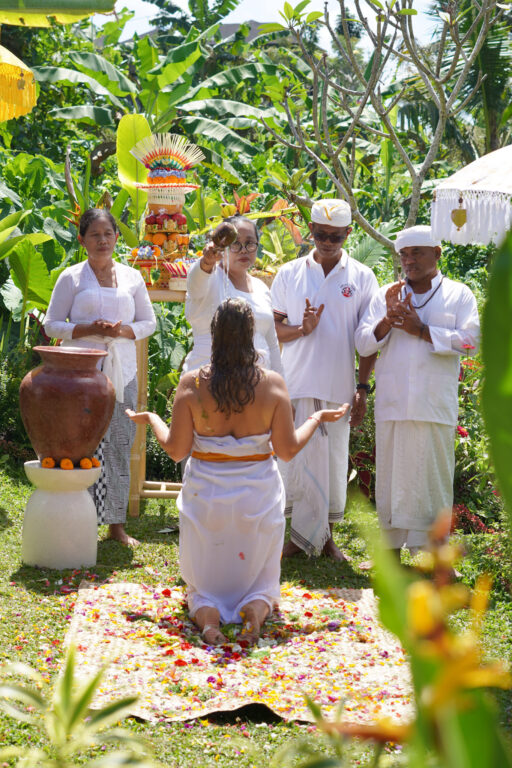
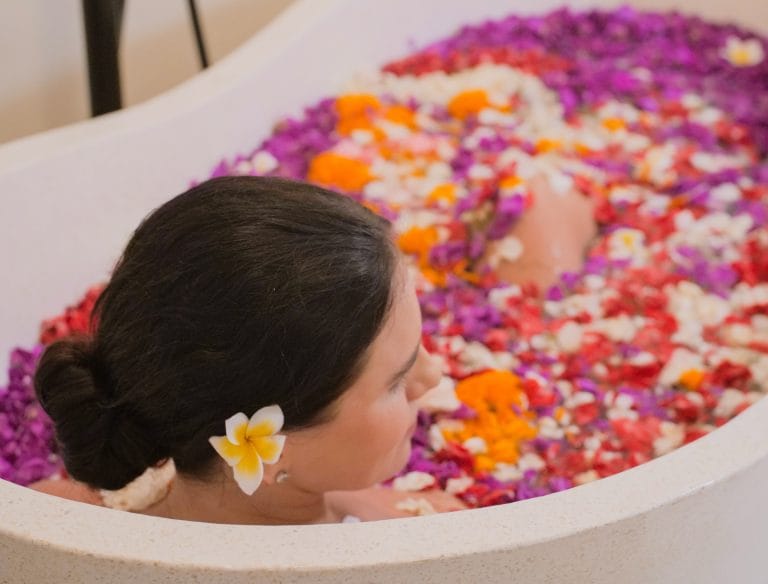
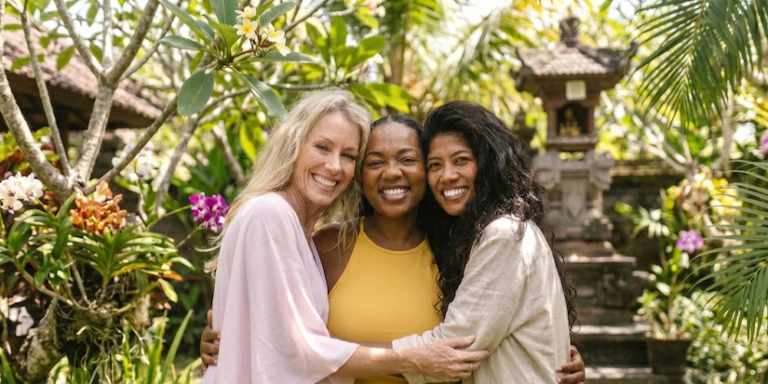
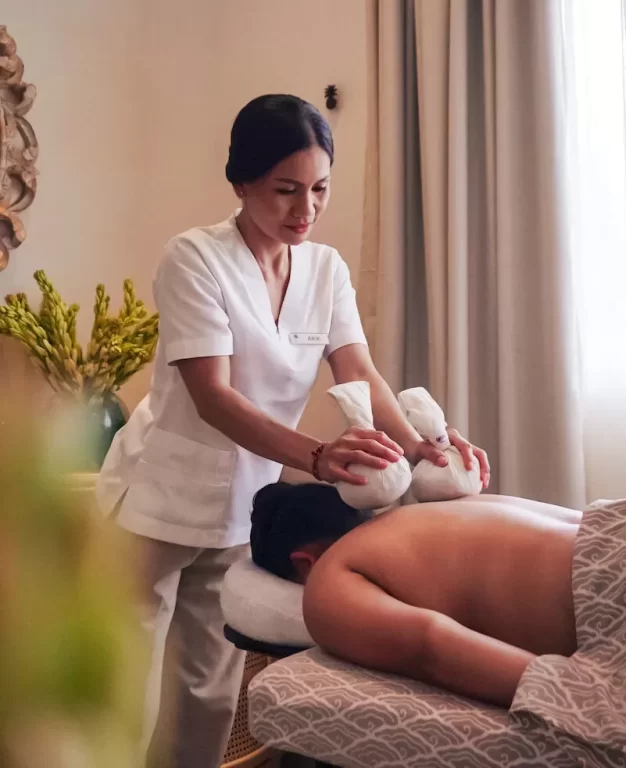
At Goddess Retreats, women are invited to slow down through yoga, healing therapies, wellness experiences, creative workshops, movement, nourishing food, and meaningful connection with like-minded women from around the world.
Whether you’re seeking clarity, healing, confidence, or simply time to reset, creating intentional space for yourself can become the beginning of lasting transformation.
Explore our retreats:
- Bali Retreats
- Wellness Retreats
- Healing Retreats
- Creative Retreats
- Surf Retreats
- Pilates Retreats
- Fitness Retreats
- Longevity Retreats
Because self-compassion isn’t about becoming someone different.
It’s about treating yourself with enough kindness to become the person you were always meant to be.
