
















By Chelsea Ross
Ever watched the sunrise from a mountaintop yoga session and felt your entire being shift into alignment? That is the transformative power of a wellness retreat. Furthermore, you do not necessarily need to travel to Bali to create that magic. Whether you are dreaming of hosting an intimate gathering for friends or launching your own professional retreat business, this guide will walk you through everything you need to know to create a transformation experience that participants will never forget.
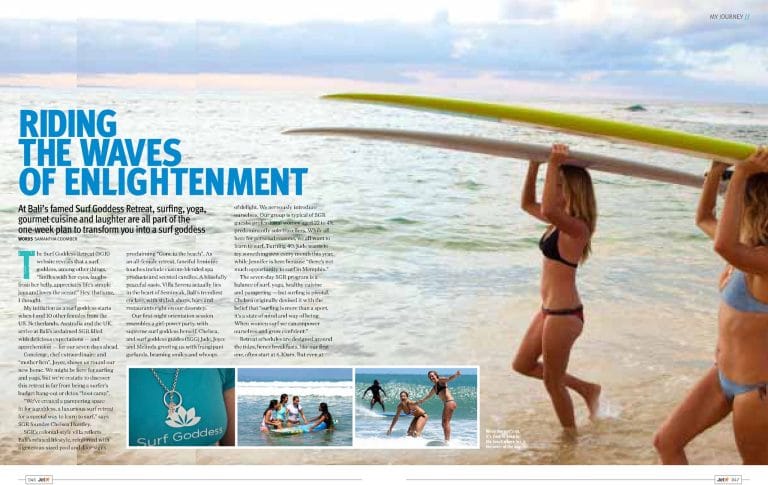
I am often asked how to create the perfect wellness retreat experience. To understand the “how,” we must first look at where this journey began. In the early days of wellness travel, you either chose a yoga ashram style retreat for spiritual growth, a luxury health spa or a clinical health farm, like those found in Switzerland, for physical recovery. There was no middle ground. When I founded Goddess Retreats, I was a life coach who set out to bridge that gap by creating a “Multi-Modality” framework. I envisioned a sanctuary where a woman could experience a sunrise yoga flow, catch a wave in the afternoon, and integrate those breakthroughs with professional spa therapies and soul-shifting personal development as i was offering in my life coaching workshops, but offered over a week of fun and exploration.
This is the original blueprint for the modern wellness retreat. Whether you are organizing a specialized workshop in locally or a week-long immersion, these principles remain the gold standard going into 2026
1. Defining Your Retreat’s Core Purpose
Your retreat’s vision is the compass that will guide all your planning decisions. A successful retreat begins with a clear understanding of the “Transformation Architecture” you wish to facilitate.
Select Your Pillars: A multi-modality approach works best when it balances four key areas: Movement (Yoga/Pilates), Adventure (Surfing/Sightseeing), Restoration (Spa/Therapies), and Spritual / Personal Growth (Personal Development).
Identify the Transformation: Are you solving for burnout, spiritual stagnation, or a need for physical challenge?
Know Your Audience: Tailor your offerings to specific needs. First-time seekers require a different framework than experienced yogis and wellness enthusiasts.
Your Audience and Their Needs
You must identify who your retreat is for to serve them effectively. Consider these groups:
- First-time retreat participants: Those seeking a safe, guided introduction.
- Experienced wellness enthusiasts: Individuals looking for deeper, more advanced practices.
- Specific life stages: Retreats for women in transition, entrepreneurs, or artists.
Theme and Duration Options
Your theme dictates the energy of the event. Common themes include mindfulness and meditation, yoga and movement, or healing and recovery. Once the theme is set, choose a duration that fits the depth of the work:
- Half-day introductions or full-day immersions: Best for local workshops.
- Weekend escapes: Ideal for quick resets.
- Week-long transformations: The industry standard for deep, lasting change.
2. The Multi-Modality Daily Schedule
The hallmark of a Goddess-level retreat is the balance of guided sessions and restorative “White Space.” A well-structured schedule provides rhythm while allowing space for spontaneity and personal reflection. Create a flow that energizes and inspires without overwhelming participants.
The Sample Daily Timeline
7:00 PM | The Community: A nourishing dinner and group sharing circle.
6:30 AM | The Awakening: Sunrise meditation or breathwork to align the circadian rhythm.
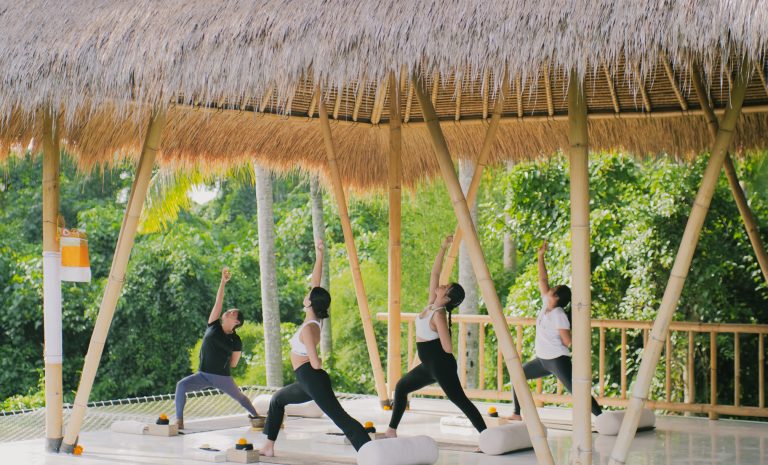
7:00 AM | The Movement: Morning yoga flow or exercise class to energize the body.
8:30 AM | The Nourishment: A healthy breakfast.
10:00 AM | Active Discovery: Movement in nature, such as surfing or cultural sightseeing.
12:00 PM | The Integration: A balanced lunch followed by leisure time for writing or discovery.
2:00 PM | The Depth: A workshop session or personal development seminar.
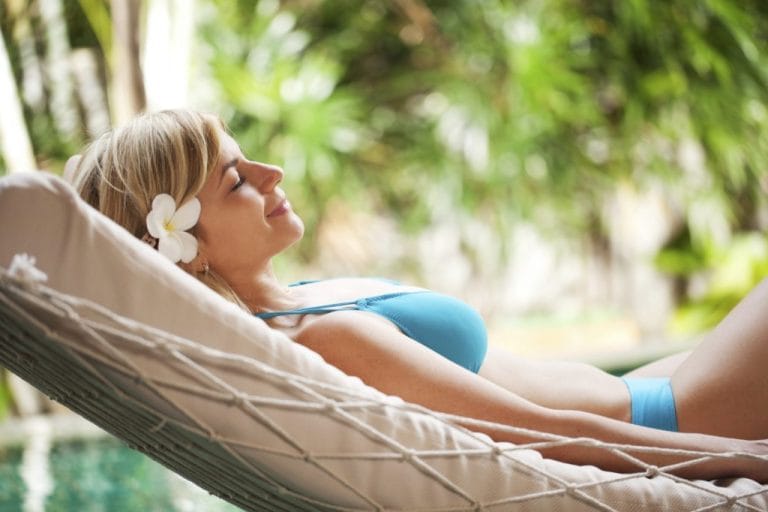
4:00 PM | The Restoration: Personal reflection time, spa therapies, or ice baths.
5:30 PM | The Grounding: Evening practice, such as sound healing or gentle yoga.
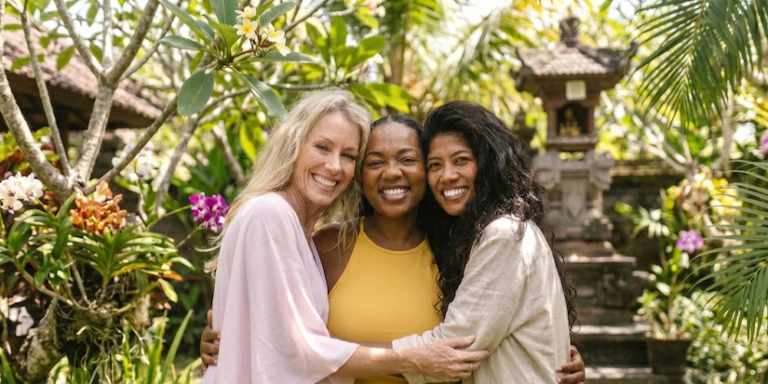
7:00 PM | The Community: A nourishing dinner and group sharing.
3. Finding Your Retreat Haven
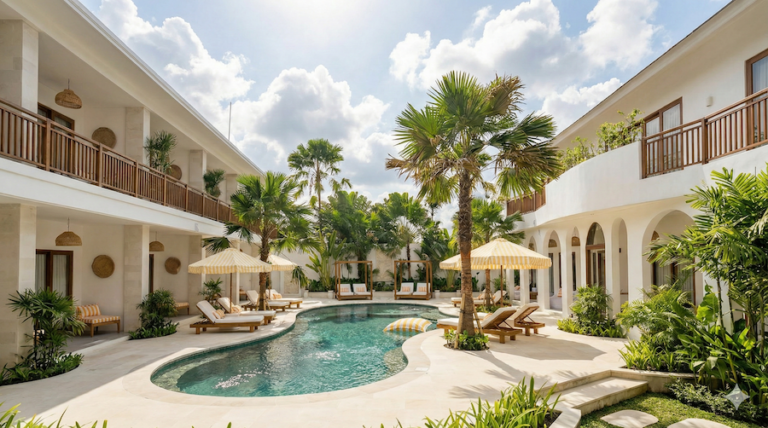
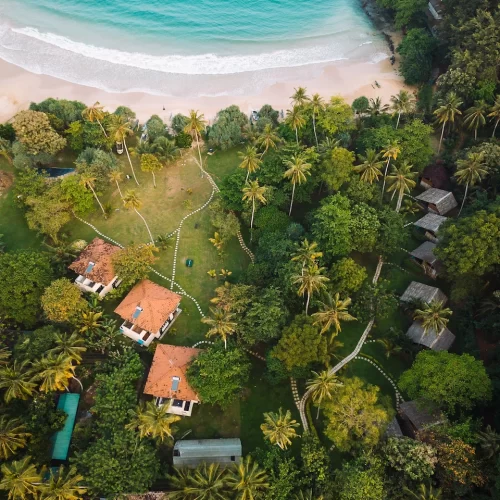
The right setting creates an immediate energetic shift that supports transformation. Your location choice sets the tone for the entire experience and can significantly influence your retreat’s success.
The site must be conducive to a healthy experience of mind, body, and spirit. Whether you are looking at a retreat center in Bali or a workshop space in Zuerich, the venue is your partner in transformation.
Accessibility and Logistics:
Even the most beautiful location fails if it is impossible to reach. Consider the distance from major airports, local transportation options, and the availability of shuttle services for your guests.
Features and Environment:
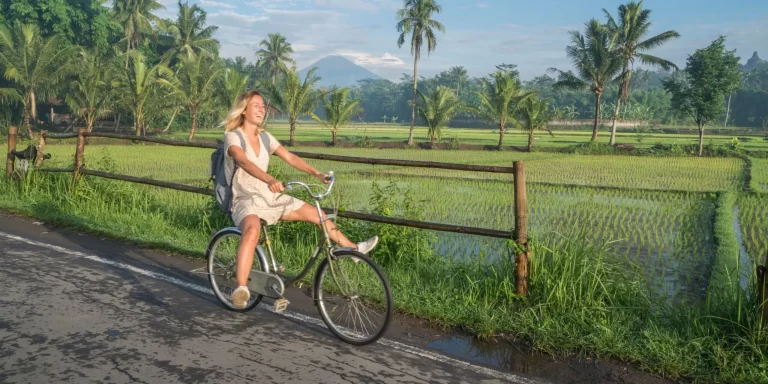
The natural environment should complement your activities. Look for scenic views, walking trails, and natural water features.
Comfort and Privacy:
Accommodations should feel like a sanctuary. Within the venue, check for room configurations that offer both private sanctuaries and inviting shared spaces. Ensure the facility meets specific requirements for accessibility and comfort.High-quality rest is a non-negotiable part of the healing process.
Functional Facilities:
Ensure the venue has professional-grade spaces for yoga, meditation, and spa treatments.
4. Nourishing the Body and Community
Mindful nourishment goes beyond just serving healthy food. It is an experience that educates and inspires participants to develop a healthier relationship with eating.
Sacred Dining: Design the dining experience to foster community connection through farm-to-table, family-style meals.
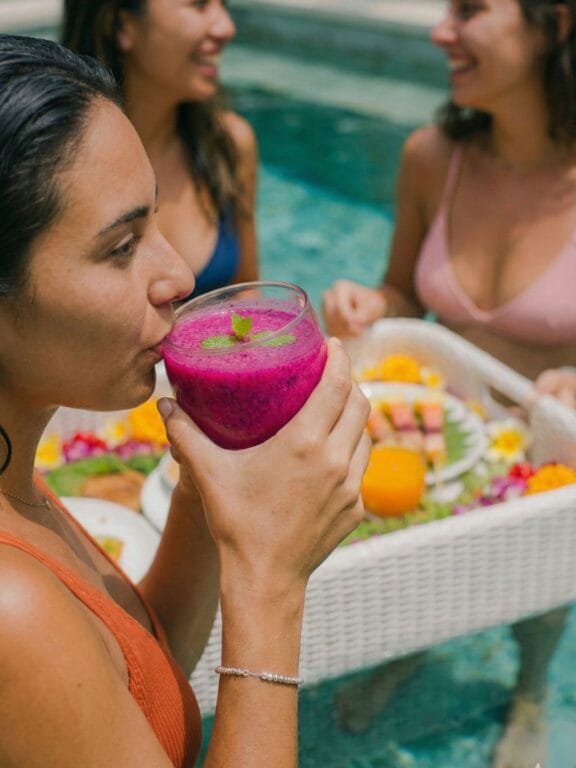
Visual Beauty: Create Instagram-worthy presentations, such as rainbow smoothie bowls and geometric fruit arrangements.
Functional Inclusions: Use fresh, organic, and plant-based ingredients that focuses whole food sustainably sourced.
5. Elevating the Experience with Professional Therapies
A world-class retreat must offer more than just classes. To create life-altering experiences, you must integrate professional therapies that address the physical and emotional body.
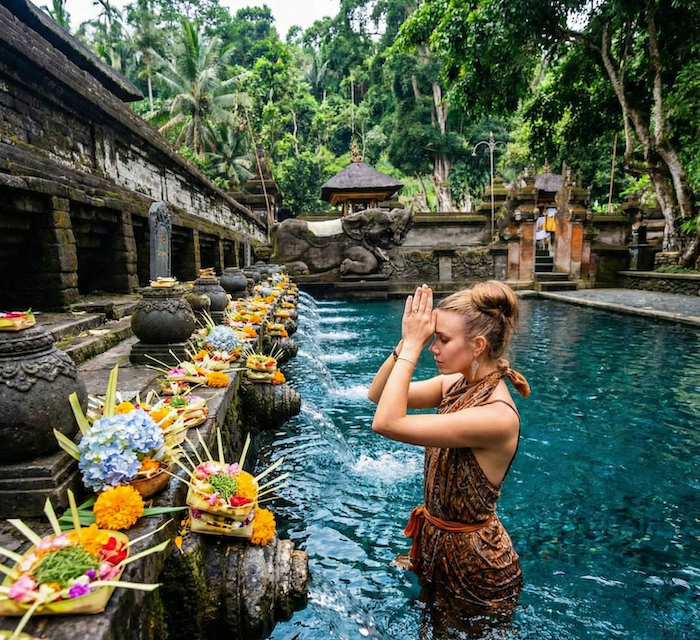
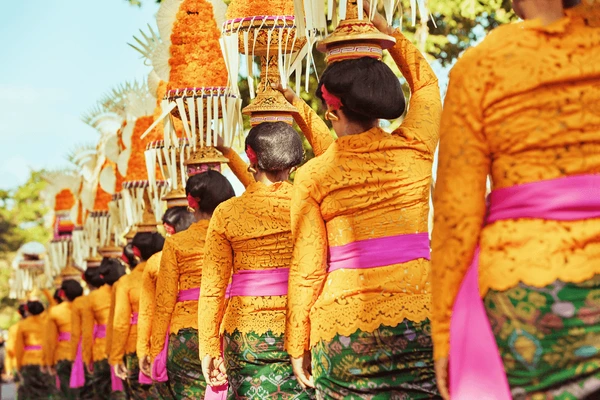
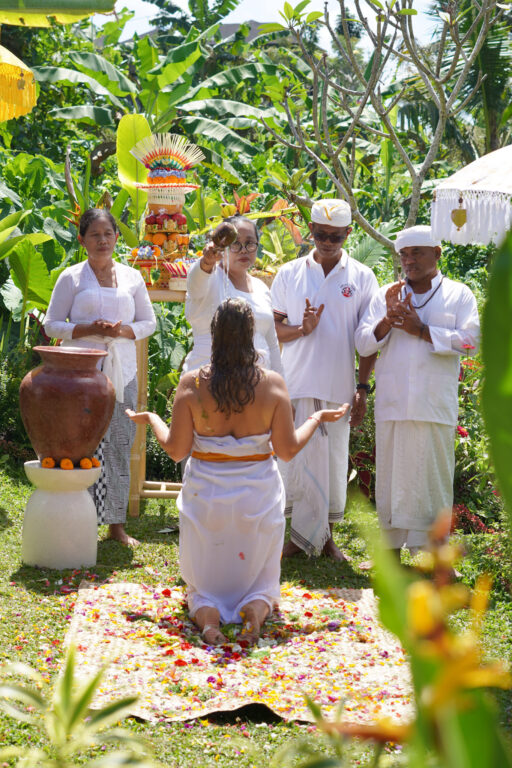
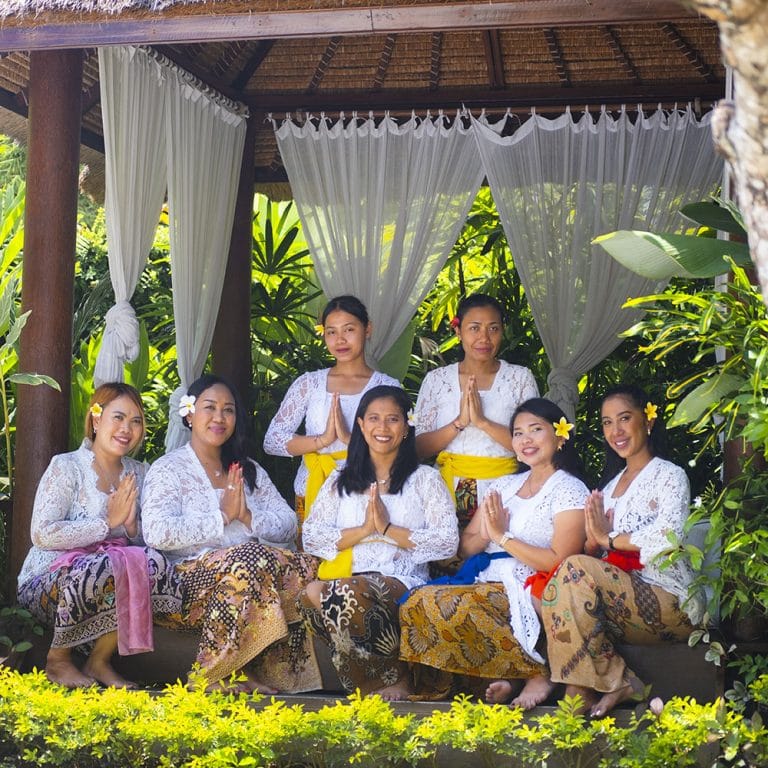
Cultural Rituals: When appropriate, include local purification rituals or ceremonies that honor the traditions of the host land.
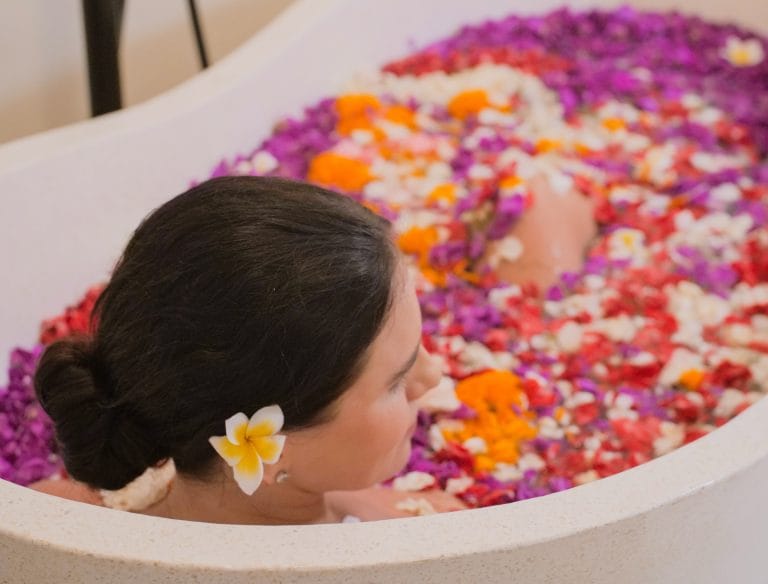
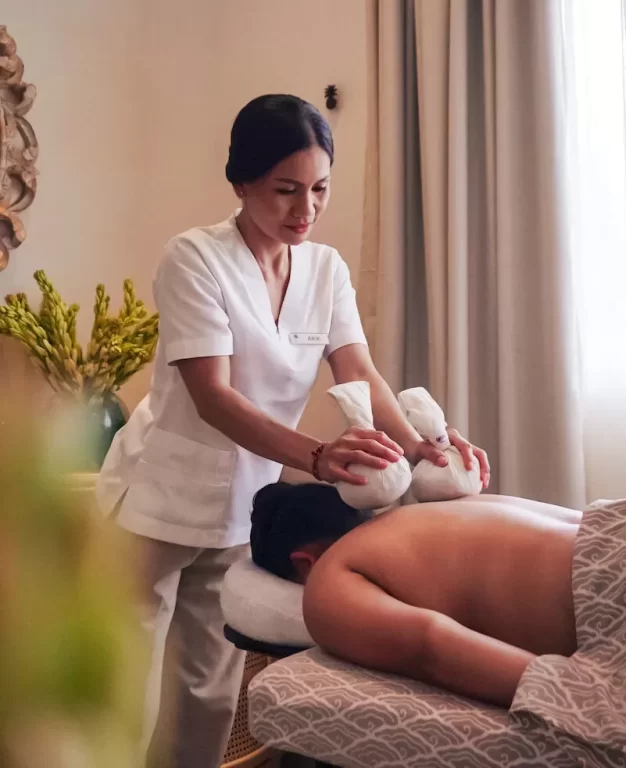
Somatic Release: Incorporate traditional healing sessions, Balinese massage, or aromatherapy.
Energy Medicine: Use sound therapy, crystal bowls, or gongs to facilitate deep relaxation.
6. Creating Sacred and Instagram-Worthy Spaces
Your retreat spaces should be visually stunning while supporting deep inner work. A beautiful environment facilitates a faster transition into a relaxed state.
Reflection Zones: Create cozy reading nooks with meditation cushions and journaling stations.
Meditation Areas: Use crystal grids, Tibetan singing bowls, and sacred geometry wall hangings.
Yoga Spaces: Optimize for natural light and include plant corners with trailing vines.
8. Practical Considerations and Marketing
Behind every soulful retreat lies careful attention to practical details. Create systems that run smoothly while maintaining visual appeal.
Practical Logistics
Provide branded welcome guides, custom journal notebooks, and eco-friendly water bottles. Ensure you have all documentation in order, including health questionnaires, liability waivers, and dietary restriction forms. Always have a clear emergency plan with local medical contacts.
9. The Business of Transformation
Behind every soulful experience lies careful attention to practical details. To ensure your retreat is both successful and sustainable, focus on these logistics:
- Simplified Booking: Use a straightforward online system that clearly outlines dates, inclusions, and pricing.
- Marketing Authority: Lean into your expertise. Use testimonials and transformation stories to show, rather than tell, the value of your retreat.
- The Takeaway: The end of your retreat should feel like a beginning. Create ways to help participants maintain their transformation through post-retreat support. This can include a private online community, meditation recordings, or a book or recipes. Provide memory keepsakes, such as a journal, photo collections or intention crystals, a t-shirt to remind them of their time on the retreat and their breakthroughs.
Frequently Asked Questions
How long should a wellness retreat take? The majority of retreats span from 3 to 7 days. Extended retreats allow for deeper healing and more significant physical detoxification.
Are wellness retreats suitable for beginners? Yes. A professional retreat should be designed for all levels, with modifications and supportive teaching frameworks that make every participant feel safe and successful.
When should I book or start planning? For hosts, a 12 -9month planning cycle is ideal. For participants, booking 2 to 3 months in advance ensures a spot in popular programs.
